
The best garage cleaning tips come down to five steps: empty the space, sort everything into keep, donate, and toss piles, deep clean from top to bottom, organize what’s left, and set a simple routine to keep it that way. Most garages can be done in a weekend if you work one section at a time.
A clean garage is easier to live with, and it’s also safer for your home, your car, and your family. At April Jones Insurance, we compare multiple carriers to find the right fit for your home and auto coverage. Get in touch for a free quote or a policy review.
Before You Start Your Garage Cleanout
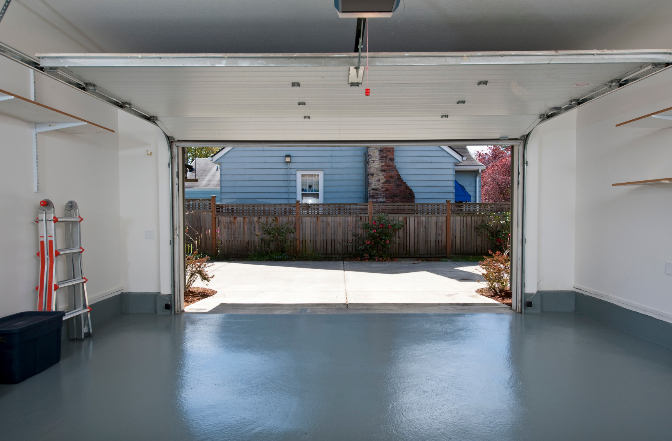
Pick a dry weekend and line up what you’ll need ahead of time. Trash bags, storage bins, a broom, a shop vac, and basic cleaning supplies will cover most of the job.
A messy garage can feel overwhelming, so give every family member a job, kids included. If the clutter is piled high, start with one wall or one corner instead of the whole space.
Step 1: Take Everything Out
Pull everything out onto the driveway, one section at a time. An empty garage lets you see how much floor space and wall space you really have to work with.
Group similar things together as you go. Tools, sports equipment, gardening supplies, camping gear, and holiday decorations each get their own spot on the driveway.
Step 2: Decide What to Keep, Donate, Sell, or Throw Away
Ask one question about each item: is this in the garage for a reason, or because I didn’t know where else to put it? If it’s the second one, it’s probably time to get rid of it.
Broken toys, rusty tools, and sports gear the kids have outgrown are easy places to start. Anything in good shape that’s been gathering dust can go in the donate or sell pile.
Bag up the rest as you go, so the remaining items don’t drift back inside. A cluttered garage usually gets that way one “I’ll deal with it later” at a time.
What Not to Keep in Your Garage
Some things don’t belong in a garage at all, especially in coastal North Carolina’s heat and humidity.
- Propane tanks: store them outdoors, upright, and away from the house.
- Leftover paint: heat and humidity shorten its shelf life, so keep it in a climate-controlled room or dispose of it properly.
- Oily rags: they can ignite on their own, so let them dry flat outside before you throw them away.
- Cardboard boxes, paper, and clothes: they soak up moisture and attract pests.
Old motor oil, paint, and chemicals shouldn’t go in the regular trash or the recycling bin. Check with your county’s household hazardous waste program for drop-off locations and days.
Step 3: Deep Clean From Top to Bottom
Garage cleaning goes faster when you work from the ceiling down. Knock down cobwebs, dust the light fixtures and shelves, and wipe each garage wall with warm, soapy water.
Next, sweep or vacuum the garage floor to pick up the dust you’ve shaken loose. Treat oil stains with a degreaser, scrub, and rinse with clean water.
Give the floor a few hours to dry before you move anything back in. This is also a good time to check that the garage door, its safety sensors, and the door into the house are all working properly.
Step 4: Organize What’s Left
Good garage storage gets things off the floor. Use the vertical space on your walls with shelves, hooks, and cabinets, and save ceiling racks or track storage for seasonal items you only need once or twice a year.
Clear plastic storage bins with labels beat cardboard every time. Keep the things you use most at eye level for easy access, and put long term storage up high.
Give each category a designated area, so everyone knows where their stuff goes. If you have young kids, lock away power tools, chemicals, and car cleaning products.
Step 5: Keep Your Garage Organized
A clean garage stays clean with a little routine. A quick sweep once a month and a bigger reset each spring and fall will keep more clutter from creeping back.
Try a simple rule: when something new comes in, something old goes out. It only takes a few minutes, and it protects all the work you just did.
Why a Clean Garage Matters for Your Insurance
Here’s where your weekend project pays off in ways you might not expect.
Fewer Fire and Injury Risks
A garage full of clutter gives a small fire more fuel and gives your family and guests more ways to trip and fall. Storing flammables properly and keeping walkways clear lowers the chance you’ll ever need to file a claim on your homeowners insurance.
Better Protection for Your Car
Once there’s more space to park inside, your car is shielded from hail, falling limbs, salt air, and sun. It’s also less of a target for theft and vandalism.
Some insurance companies ask where your car is kept overnight when they price your auto insurance, and a garaged vehicle may qualify for a better rate. It’s worth asking us to check with your carrier.
An Easy Time to Update Your Home Inventory
While everything’s out on the driveway, snap photos or a quick video of your tools, bikes, and equipment. A personal property inventory makes a future claim much smoother.
If your garage is detached, it’s typically covered under other structures coverage instead of your dwelling limit. A quick review can confirm you’ve got enough to rebuild it.
Let’s Make Sure Your Home and Garage Are Covered
A tidy garage is one of the simplest ways to protect your home, and the right policy takes care of the rest. If it’s been a while since anyone looked at your coverage, we’re happy to walk through it with you.
As an independent agency serving Hampstead, Wilmington, Pittsboro, and communities across North Carolina, we shop multiple carriers so you can see your options side by side. Contact April Jones Insurance and let us help you protect what matters most, the right way.
Homeowners Also Ask These Questions About Garage Cleaning
What is the best way to clean a dirty garage?
Empty it one section at a time, sort everything, then clean from the ceiling down to the floor. Finish by organizing what you’re keeping on shelves and walls, not on the floor.
What should you not keep in your garage?
Propane tanks, leftover paint, oily rags, paper goods, and pet food are better stored somewhere else. Heat, humidity, and pests make the garage a poor home for all of them.
How do people keep their garages so clean?
They give everything a labeled home and keep the floor clear. A monthly sweep and a seasonal declutter do most of the work.
How often should I clean out my garage?
A full garage cleanout once or twice a year is plenty for most homes. Spring and fall are good times, since you’re already swapping out seasonal items.
Does homeowners insurance cover items stored in my garage?
Generally yes. Personal property coverage usually applies to your belongings in the garage, though vehicles are covered by your auto policy and special limits can apply to certain items.